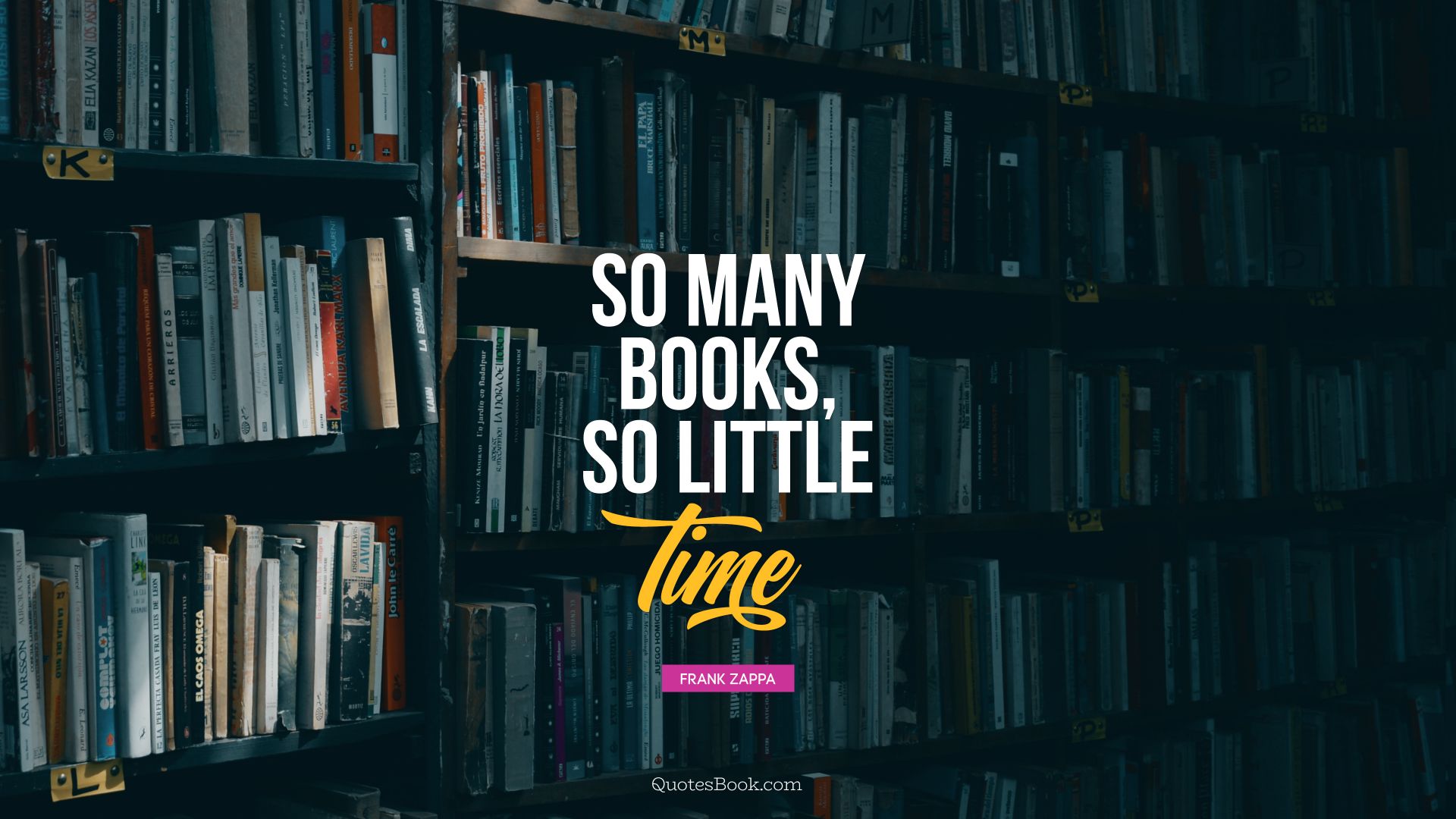
So many books to read but so little time.
Even for avid readers who spend a sizeable amount of their time reading books, this is still an issue which is rampant in their minds.
With time always being a finite resource and our daily schedules getting as unpredictable as the weather, it is fair to assume that we are never getting around reading all the books we want.
However, we can be smart about it.
Mortimer Adler, a prominent author, educator and philosopher devoted his life’s work in developing The Classic Guide to Intelligent Reading. While going through his work, I discovered some invaluable guidance on reading books which was too good to keep it to myself.
In this article, I take his ideas and combine them with my own experiences with books to give a mindset changing approach on how to choose your next book more wisely.
Personally, I am more of a book hoarder than a book reader. My love affair with books and reading started when I was in my early teens and I have learned the hard way that choosing the right book to read is an important skill to have.
Ten years later, that skill has become even more significant, considering how time starved we usually are.
Inspectional Reading: Judging the book by its cover
Think about how you decide to buy a book in the book-store.
This is what I used to do. I picked up random books, mostly the ones which had fancy titles and interesting front covers. Then, I read about the author and that small snippet summary kind of thing on the back cover. If it seemed exciting enough, I used to go for it.
Chances are most of us, who are primarily occasional readers, go through a similar kind of process. I would characterize it as a casual or a random kind of browsing.
If we take a step back, we realize we are primarily trying to answer the following question:
Does this book contain information personally valuable for me to invest my time?
We don’t usually know if we want to read a particular book. Sometimes we suspect that a book might contain valuable information and insights which would make it worth reading. But we never really know for sure.
Also, most often than not, we have to make this decision in a matter of minutes. This makes the whole process even harder.
But what if we had a systematic approach that could help us? Could we optimize our casual browsing that we normally do and make it more effective?
Inspectional reading is all about that system and creating that approach.
While performing this kind of reading, our main aim is to examine just the surface of the book, to learn everything that the surface alone can teach us. Sometimes that’s just about enough.
Too often, as readers, we get into the habit of starting the book on page one and steadily work through it till we reach the end.
But not all books require that kind of reading and it’s important to know how to differentiate between the two.
Francis Bacon once remarked
“Some books are to be tasted, others to be swallowed, and some for to be chewed and digested.”
Inspectional reading is all about tasting the book. It’s all about scratching the surface.
Our main aim via this kind of reading is to discover whether the book that we have picked up at the store deserves the kind of thorough, analytical reading which we so easily indulge in.
Systematic Skimming – Browse and Select books the right way
For the longest time, I believed that once you start a book, you have to go through it completely, before you picked up another. It sounds silly, but I used to do that.
Consequently, this thinking and belief affected my reading choices. I enjoyed reading fantasy fiction books and could easily finish them. So, whenever I went to the bookstore, I always bought more books of the similar genre.
I was afraid to check out other books, primarily because I never knew if I could really finish the other kind of books.
This is often the case with us. Here is where, the idea of systematic skimming can help us.
Systematic Skimming is an active sort of reading which helps us systematically go through the contents of a book in a limited time period.
Mortimer Adler suggests a few pointers to help us with the process.
- While looking at the title or reading the back cover, always look for indications that suggest the author’s special angle on the subject. Try and find the scope or aim of the book.
- Seriously study the table of contents. It’s a road map which gives you a sense of the book’s structure. Look out for the terms that intrigue and excite you.
- Have a look at some chapters that seem to be pivotal to the author’s argument. Some chapters have summary statements at the beginning or the end. Read them carefully.
- Always make an effort to read the Preface or the Prologue of the book. Usually written by the author himself, it’s a good view of the questions that the author is trying to answer.
- Think of yourself as a detective looking for clues to a book’s general theme or idea, alert for anything that will make it clearer.
Going through these few steps will ensure that you have skimmed the book systematically. After just spending a few minutes, you now know whether this book contains information that deserves your time and attention.
After going through these simple steps, we might discover that the information we obtain from skimming the book systematically is all that matters to us for the time being.
We might read it completely
On the other hand, if the book really excites us, we now know exactly what we are getting into. It’s similar to seeing a trailer of a movie, getting impressed by it and then eagerly waiting for the movie.
This process will ensure that the time we have spent on the book, even those few minutes of browsing in the book store, is not entirely wasted. More importantly, it will make the task of decision making and buying our next book a lot easier.
What’s in it for me?
The next time you go to a book store or even any website for that matter, make a conscious effort to perform a systematic skimming of books.
It will help you find out if the book deserves a good thorough analytical reading which is actually worth your time. On the other hand, it will ensure that you get the best possible view of the author’s central contention and the book’s overall form and structure, in the most limited time.
While picking up the right book is a great first step, developing an effective reading habitshould be your next task.


2 Comments
Girish Shah · January 19, 2019 at 9:59 pm
Very well written.
Optimize your daily reading schedule: Best practices for what to read and when to read it? · January 28, 2019 at 5:05 pm
[…] week, I talked about the work that we as readers need to put in to make smart choices for picking out the next book we want to […]
Comments are closed.